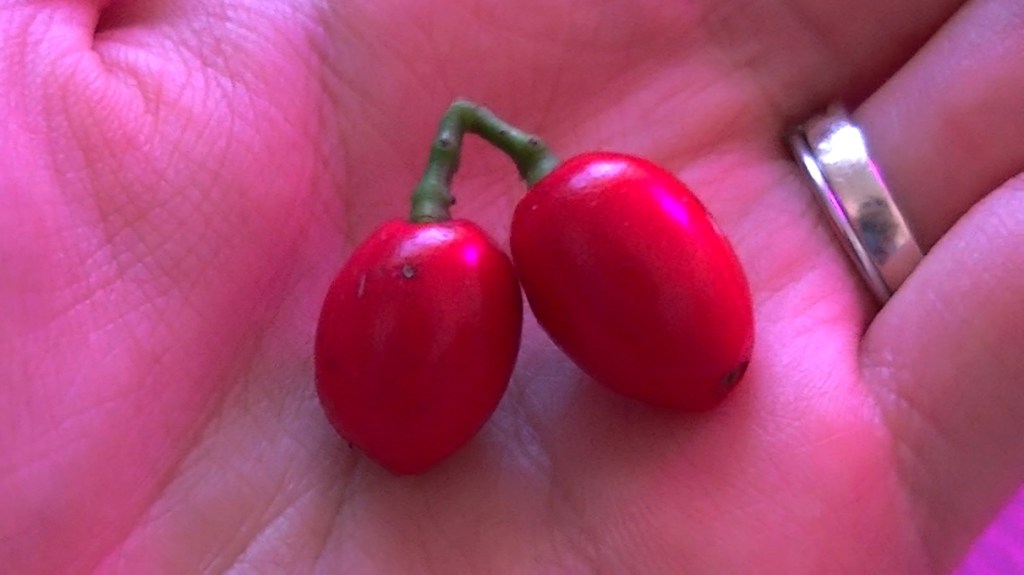
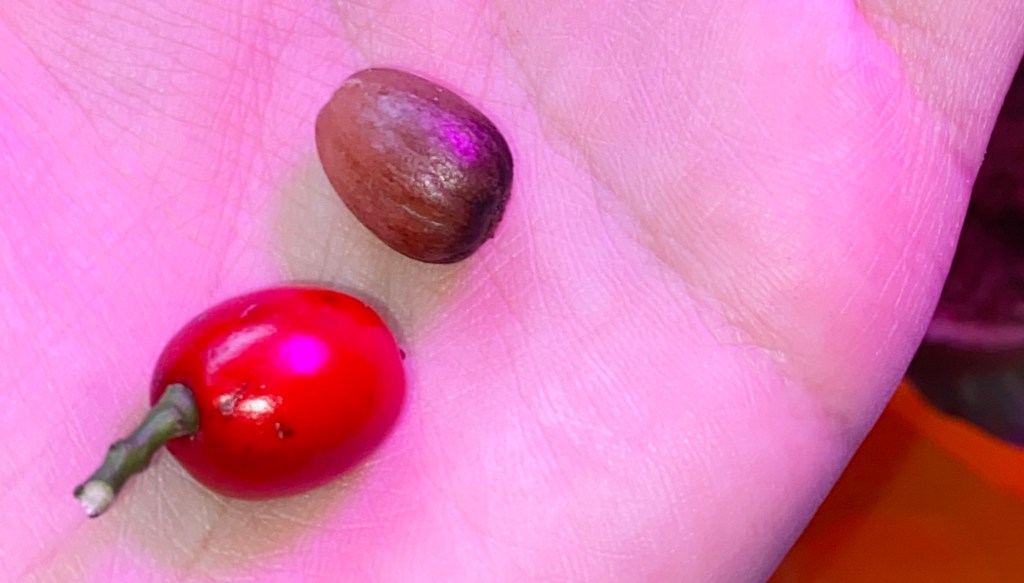
I got two Japanese Laurel fruits and planted them. Actually, I’m not expecting this to grow well but the seed was so cute and I couldn’t throw it away. So I gave it a go.
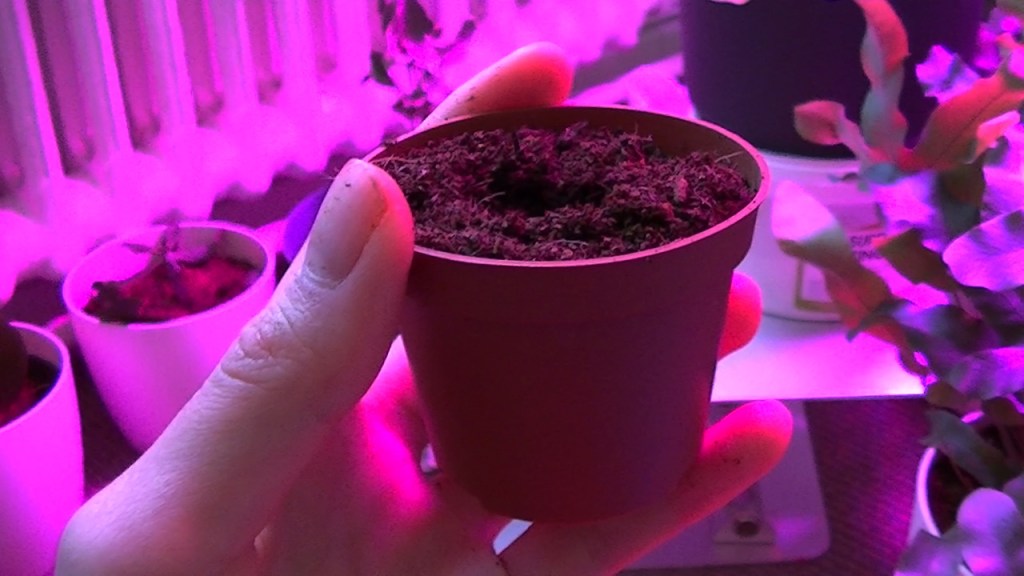
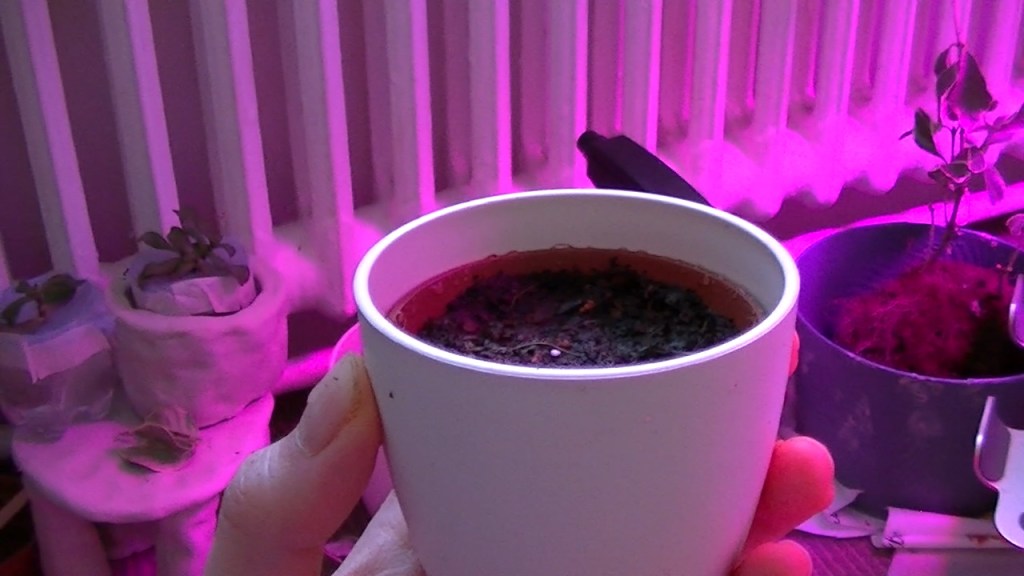
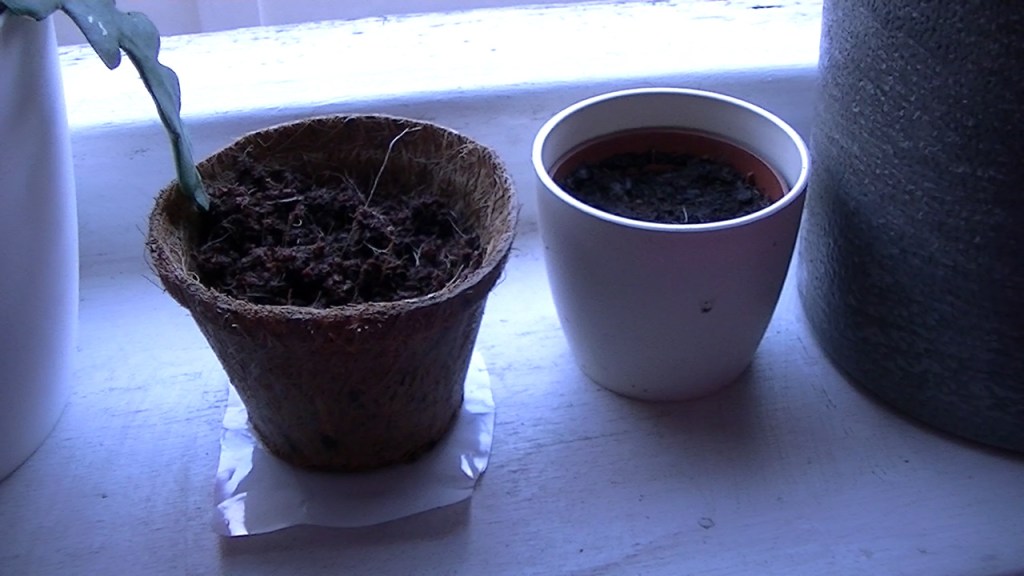
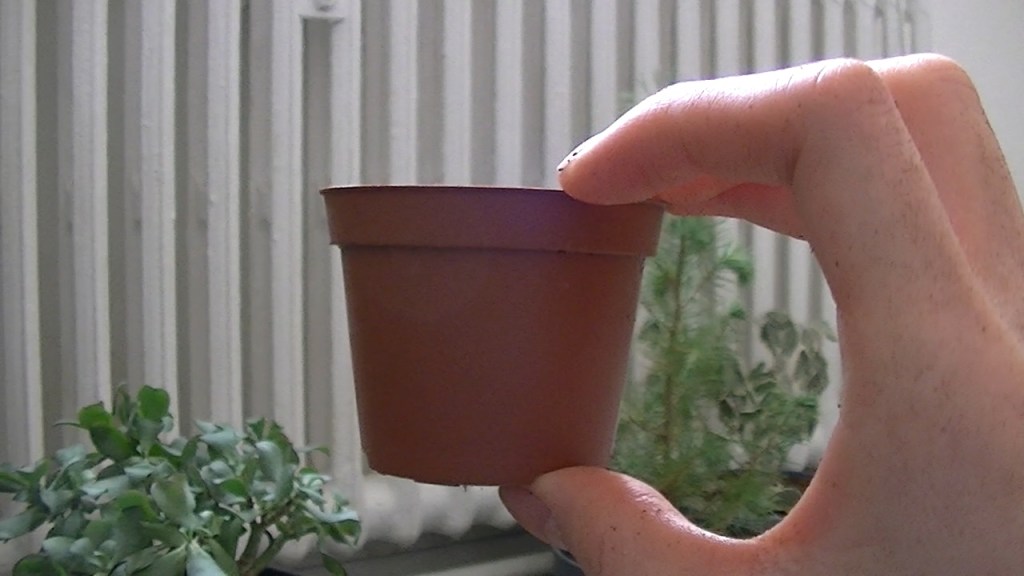
I put the seeds in these small pots and added enough water to see if they grow or not.
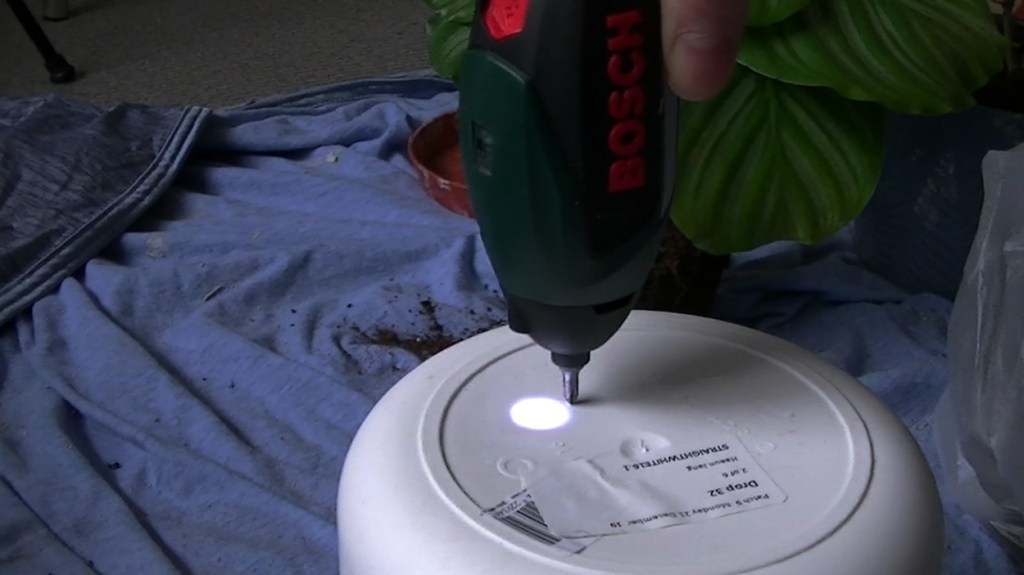
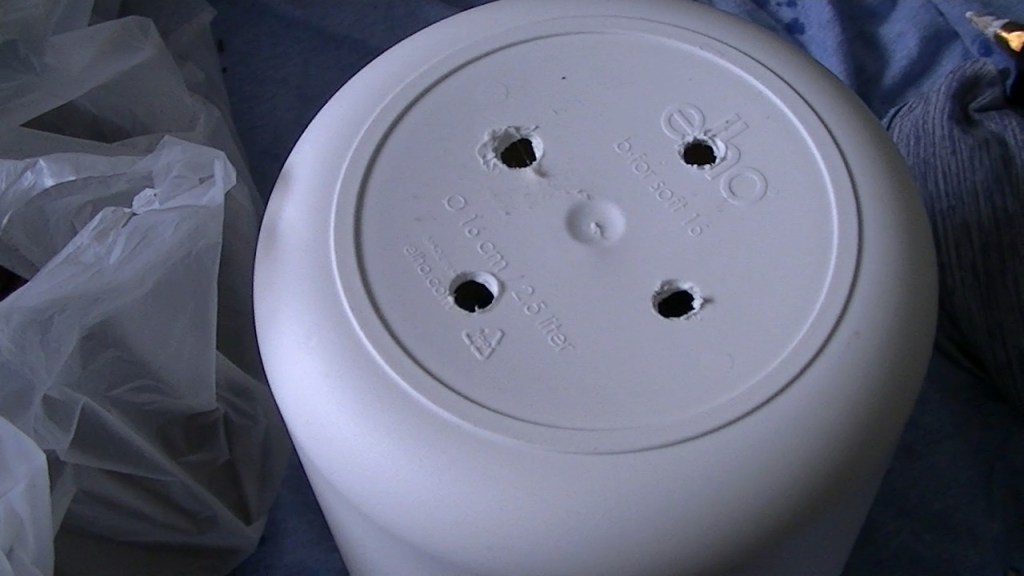
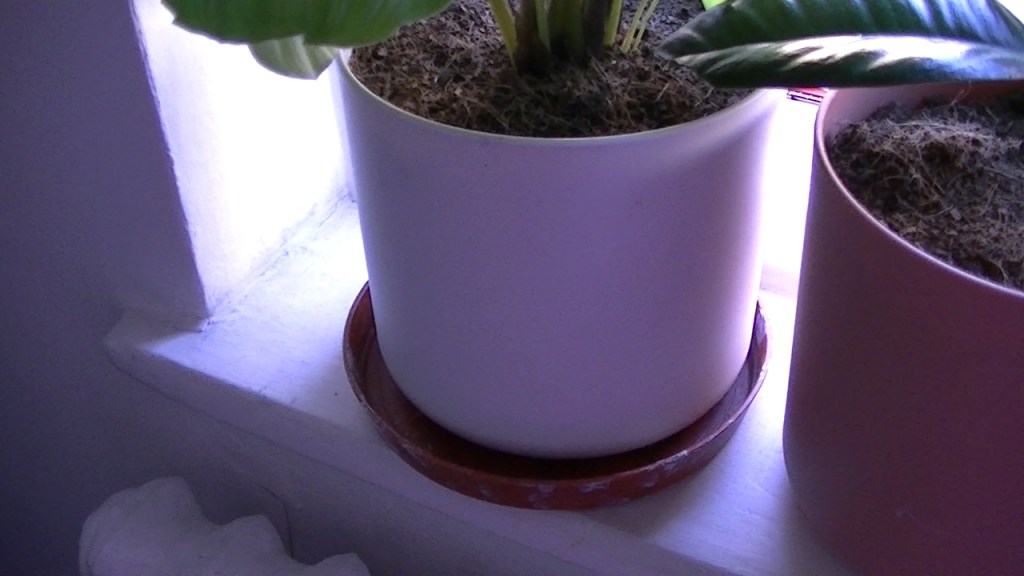
The plant pots I currently have didn’t have holes on the bottom. I knew it wasn’t good for my plants but I just used it thinking it would be okay if I watered them carefully. After killing a few plants, I realised that there’s a reason why people say holes at the bottom of the container is critical. It allows water in the soil to drain freely so that it can prevent root rot. There’s only a few plants that can tolerate stagnant water. So I made holes under the pots for my plants.
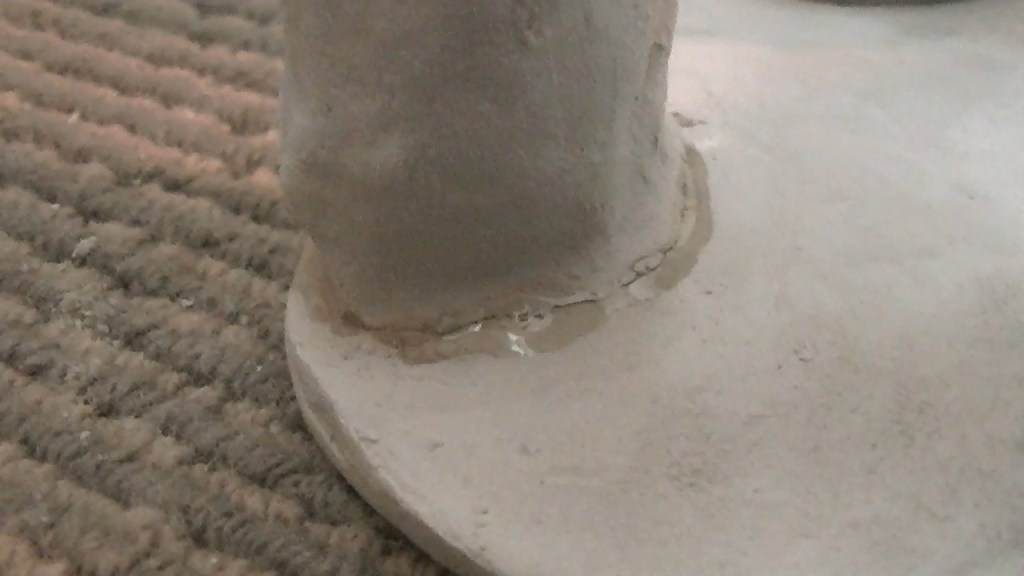
I tried to drill it but it seemed like it would take hours to make a hole.
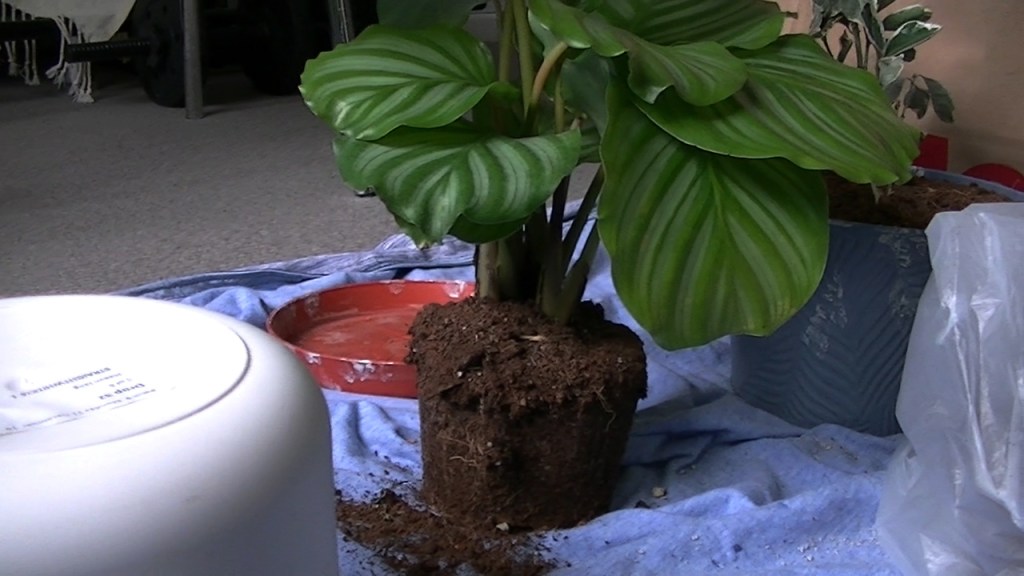
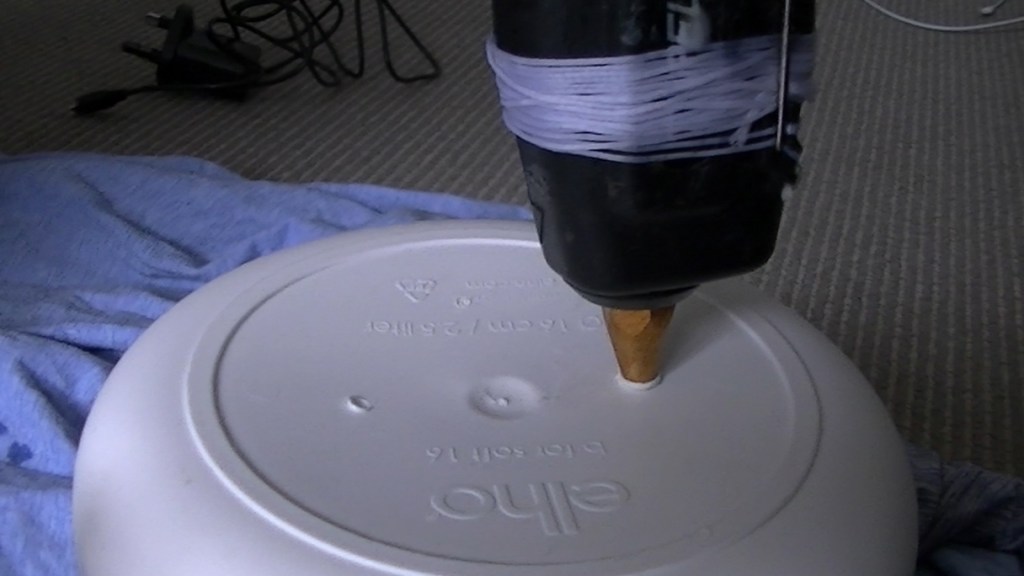
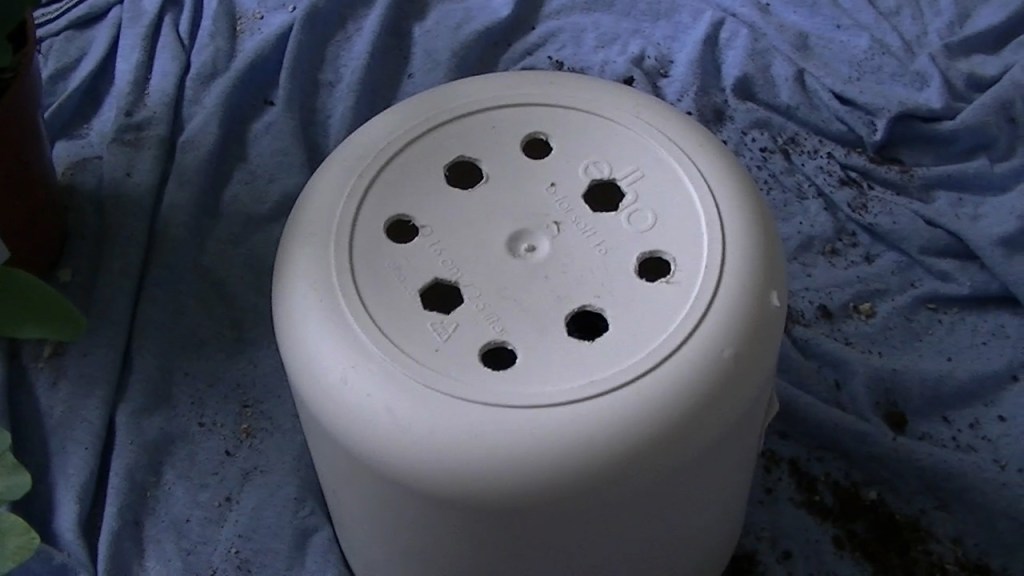
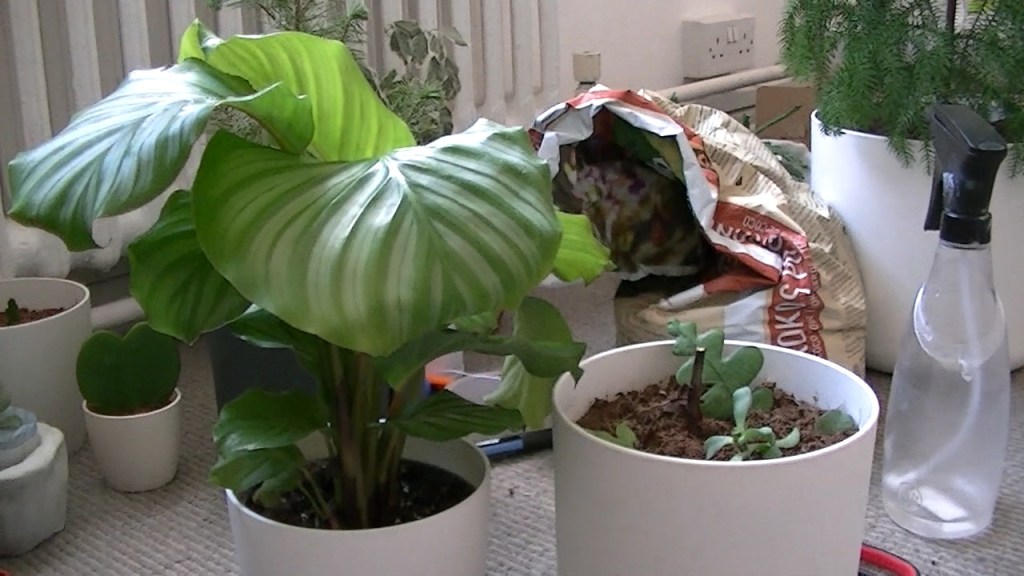
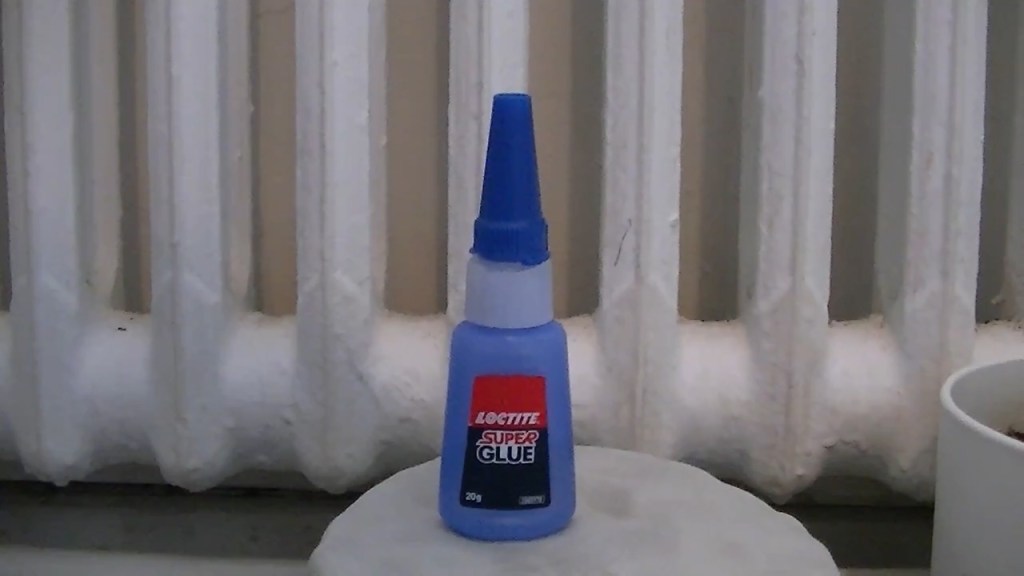
I used a glue gun and it was easier! I did it for the Phlebodium Aureum and Calathea Orbifolia plants. I think I will do the same thing for the rest of the pots.
I could have put smaller pots, which already have holes, into the white pot with no holes, but I didn’t have the small pots and didn’t want to buy new ones. So I made some holes. Also I don’t like using pots with holes on them since I don’t like pot saucers.
Anyway I will think about the design of the pots and saucers some other day. I’m just caring for the plants for now.
Yesterday morning, I got an email from Patch saying that my order is on the way and will be delivered on Saturday, 27th of March! I didn’t expect the plants to come in this week because when I checked the order status a few days ago, the estimated delivery date changed from 6-8 days to 14-18 days (I ordered the plants last Saturday, 10th of March). So I gave up expecting it to be delivered soon. Anyway, It was too good to be true. I got an another email from Patch in the afternoon saying that there’s some problem at their packing facility in the Netherlands so they temporarily close the facility for a few days which meant there will be a delay in delivering. They said they couldn’t be certain how long the delay will be. I was so disappointed.
On Saturday morning, I was woken up by a door bell. Somehow it was Patch! So I was waiting for the delivery man to go because they do non-contact delivery. I wanted to open the door so quick but I waited. I didn’t want to make an awkward situation but he kept ringing the door bell so I opened the door, said hi and I got my plants!
Here are the additions to my family
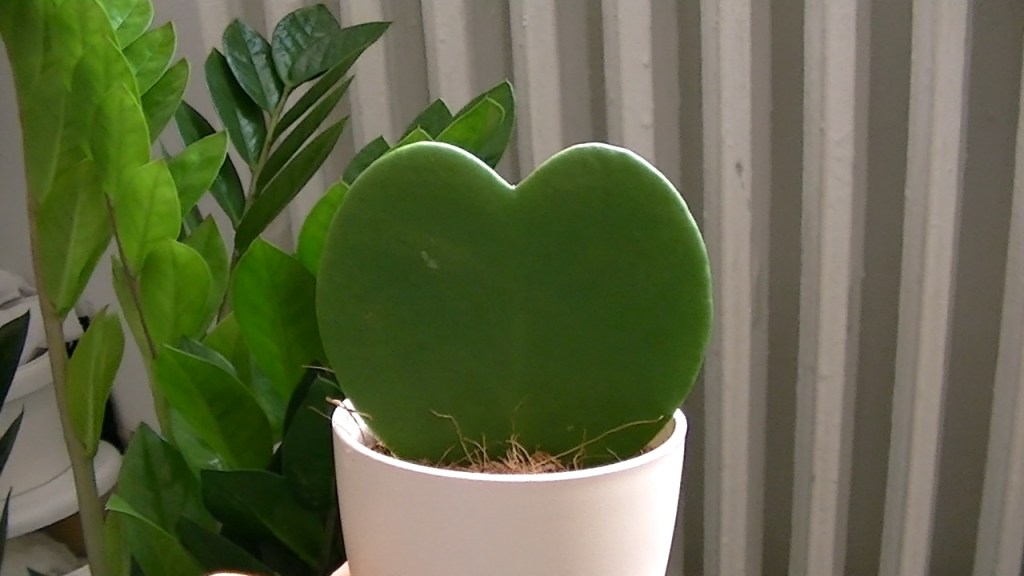
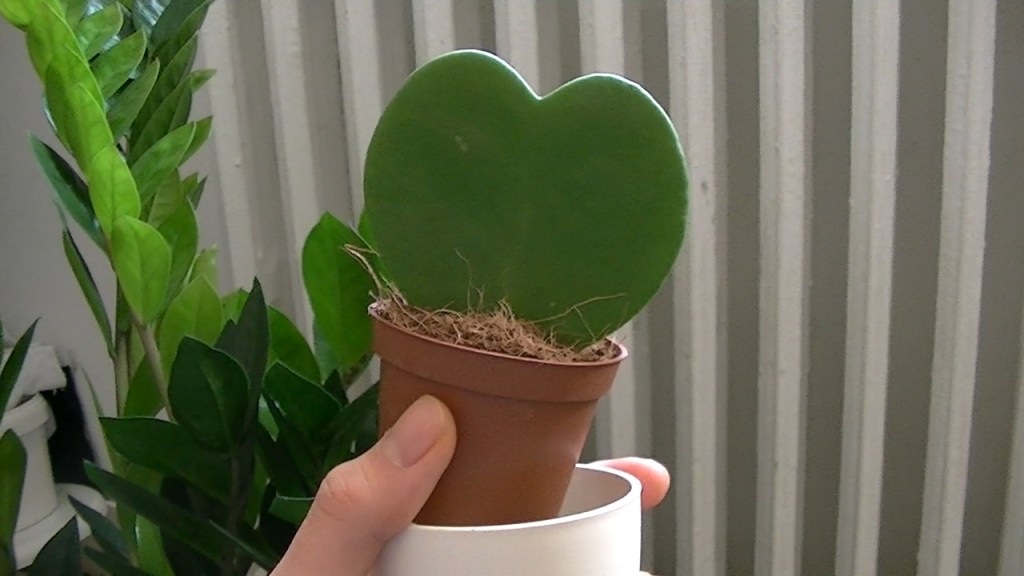
This is Lucky Heart / Love Heart plant (Botanical name: Hoya kerri). It’s so small and so lovely!
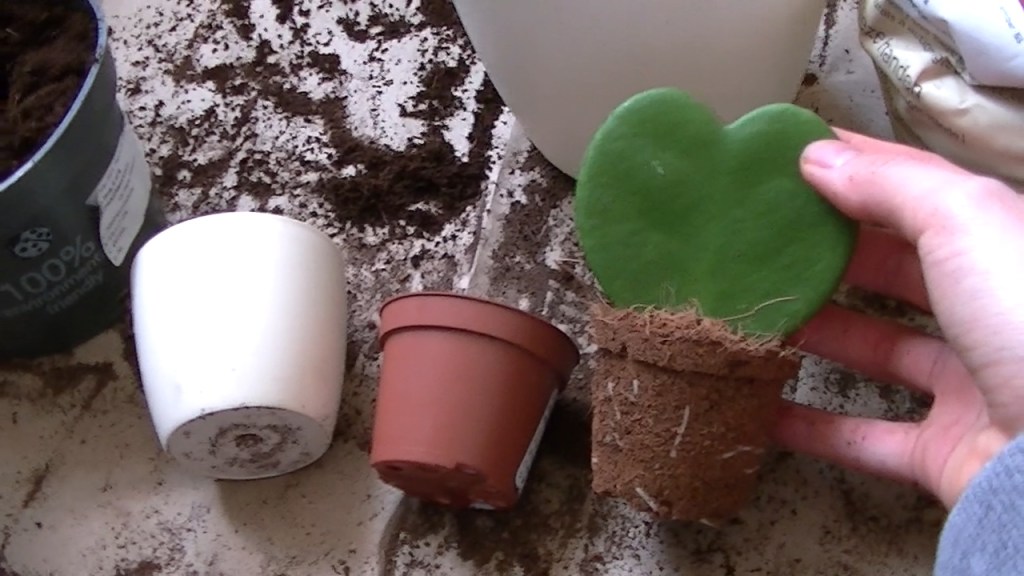
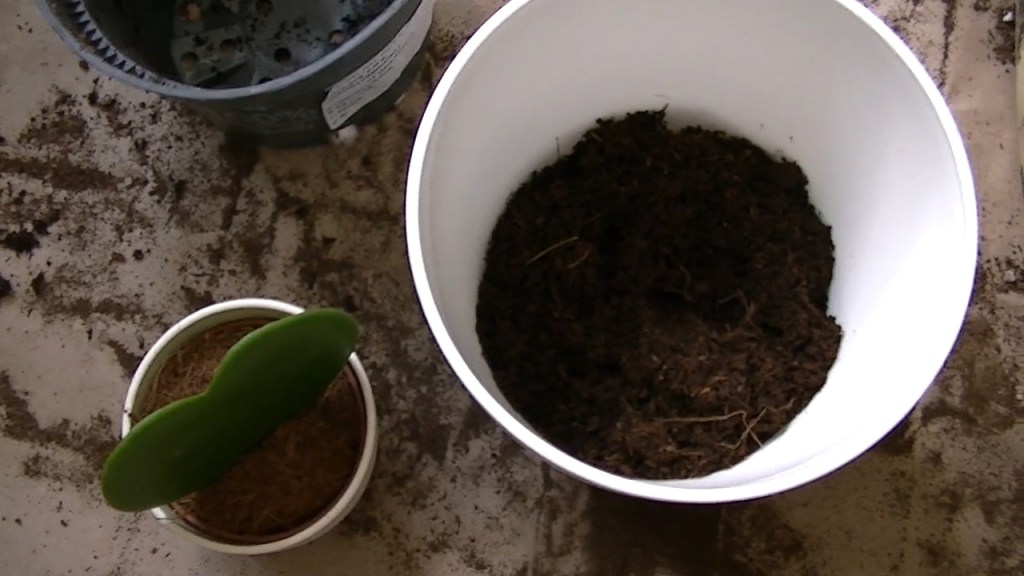
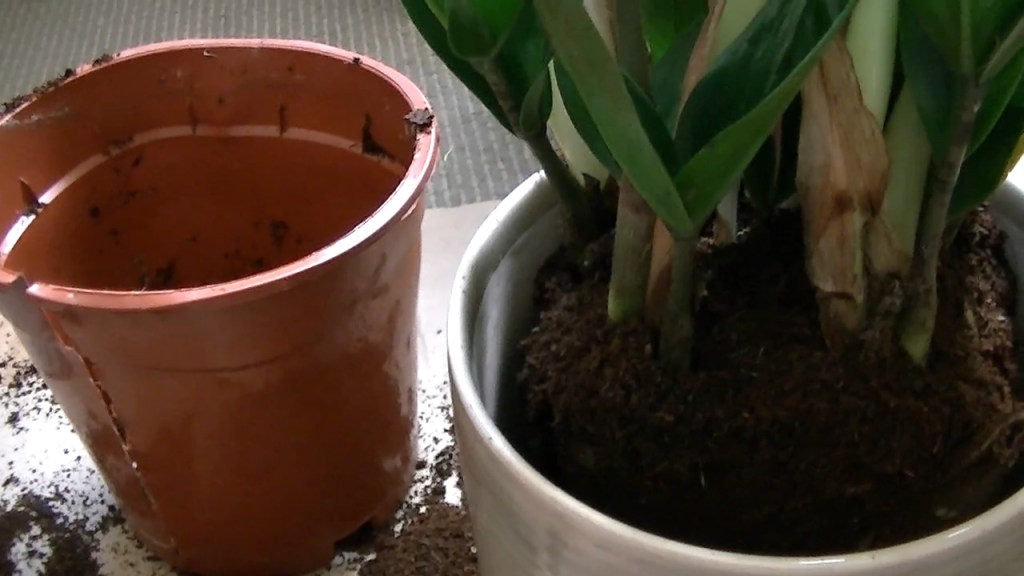
I didn’t expect it to be this small. It was surprisingly small and cute. I changed the pot to a slightly bigger one so it can grow well.
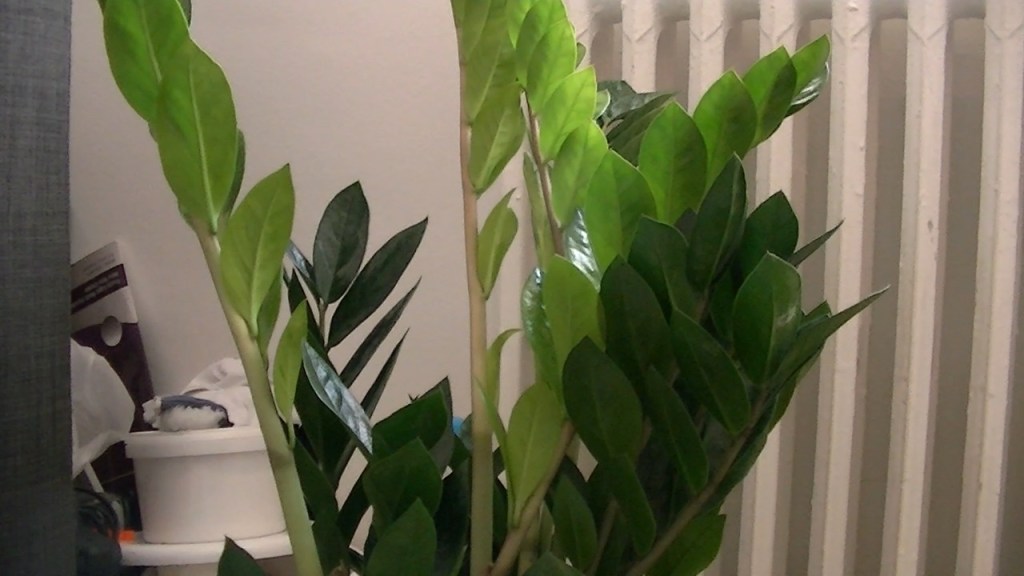
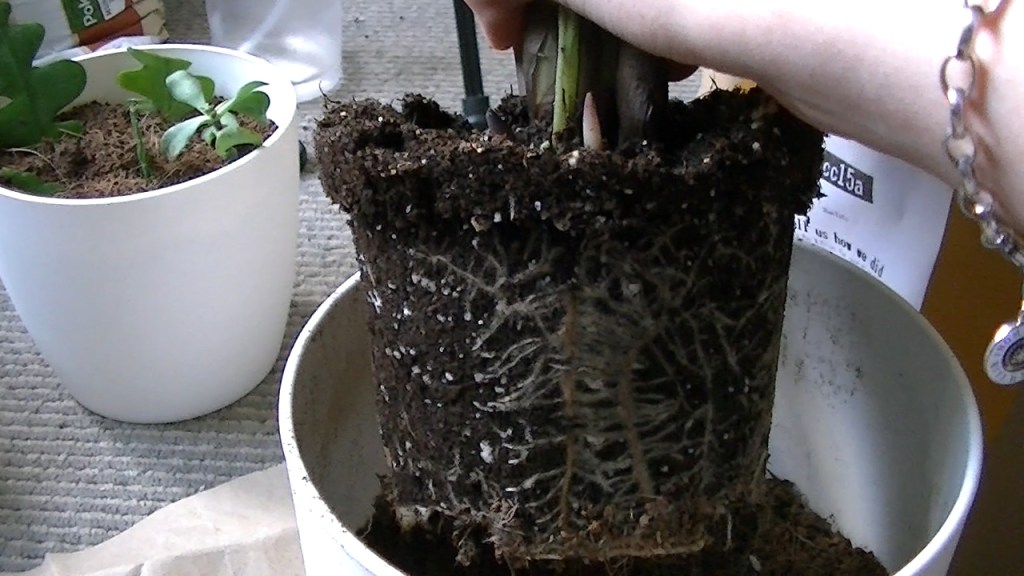
This is Zanzibar Gem (Zz plant). I bought the 60-70 cm one. It’s the tallest plant in my house XD
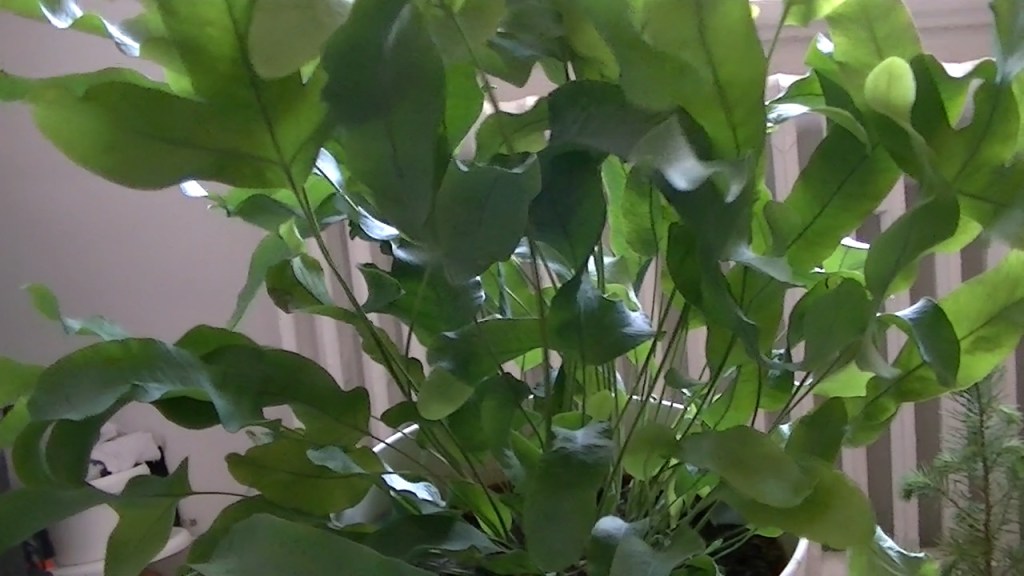
This is Phlebodium Aureum. I’m in love with this plant. It’s beautiful.
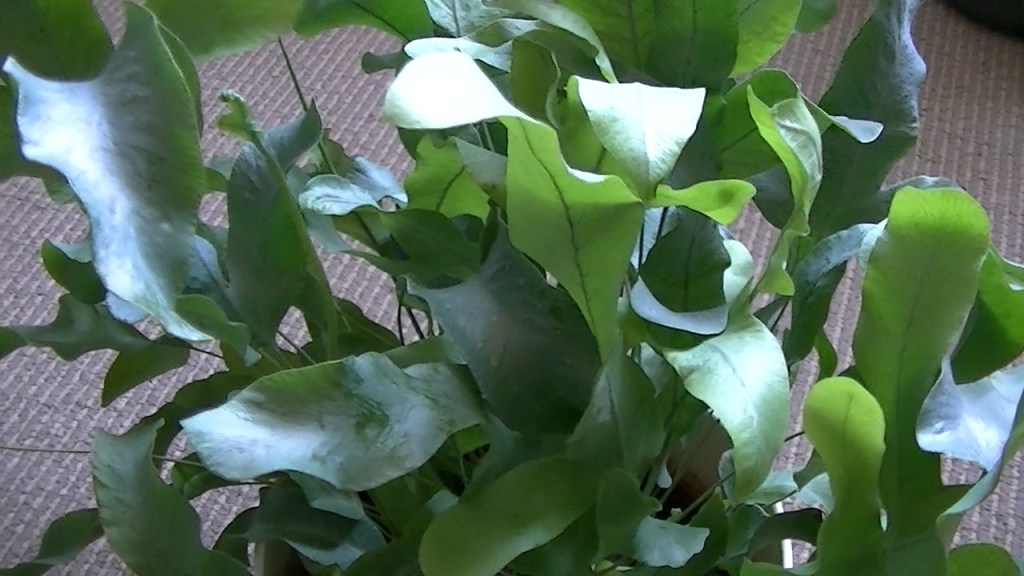
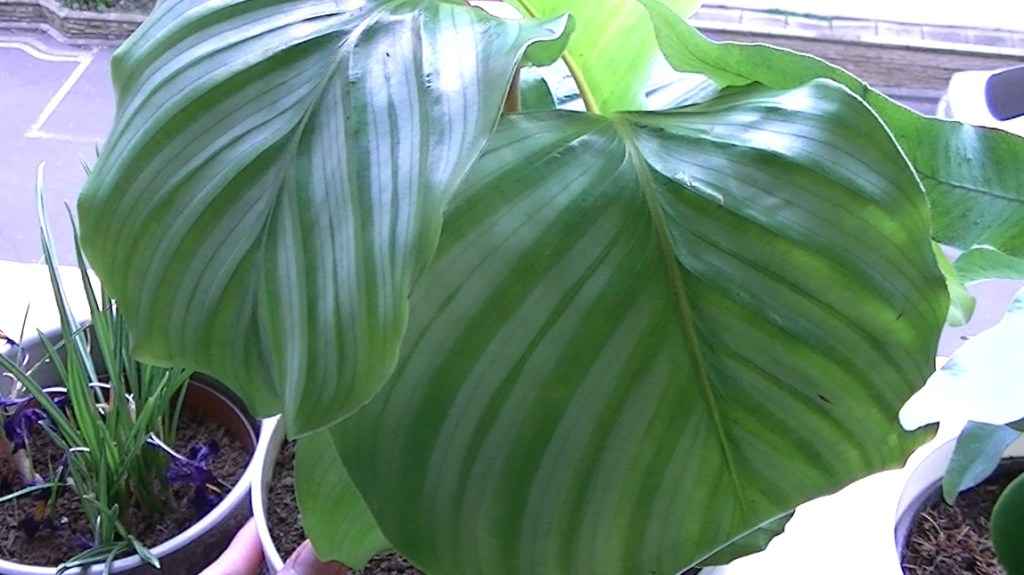
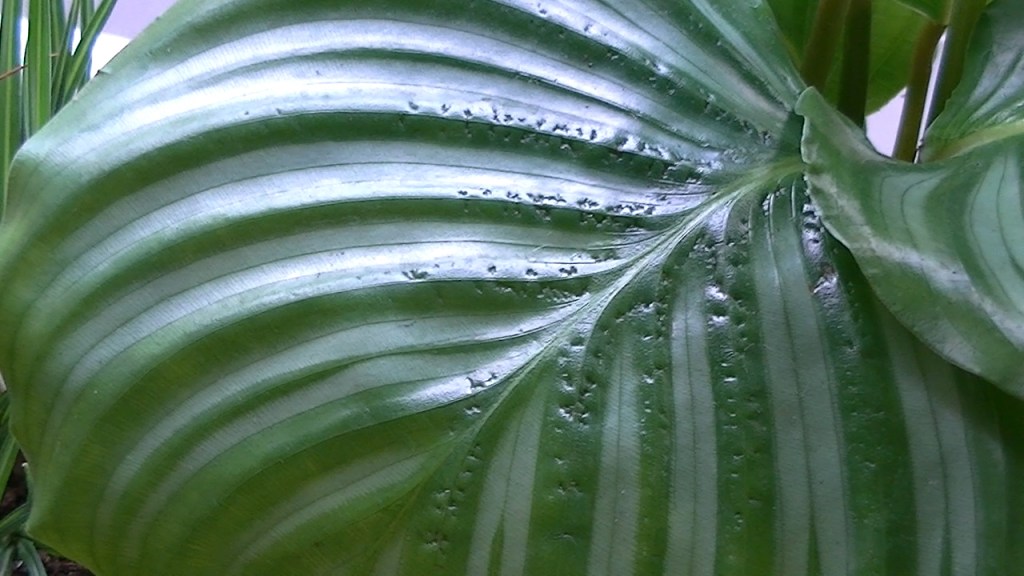
This is Calathea Orbifolia (Prayer Plant). It’s unique and beautiful plant but I’m a bit disappointed with the quality of the plant. It’s my forth order form Patch and the plants I received today had the worst quality out of all previous orders. Phlebodium aureum and Calathea Orbifolia have brown-ish leaves and there are weird marks on leaves as you can see from the picture. Also It looks vulnerable.
Anyway, I will study these plants to grow them well. I don’t want to be a pro plant killer this time.
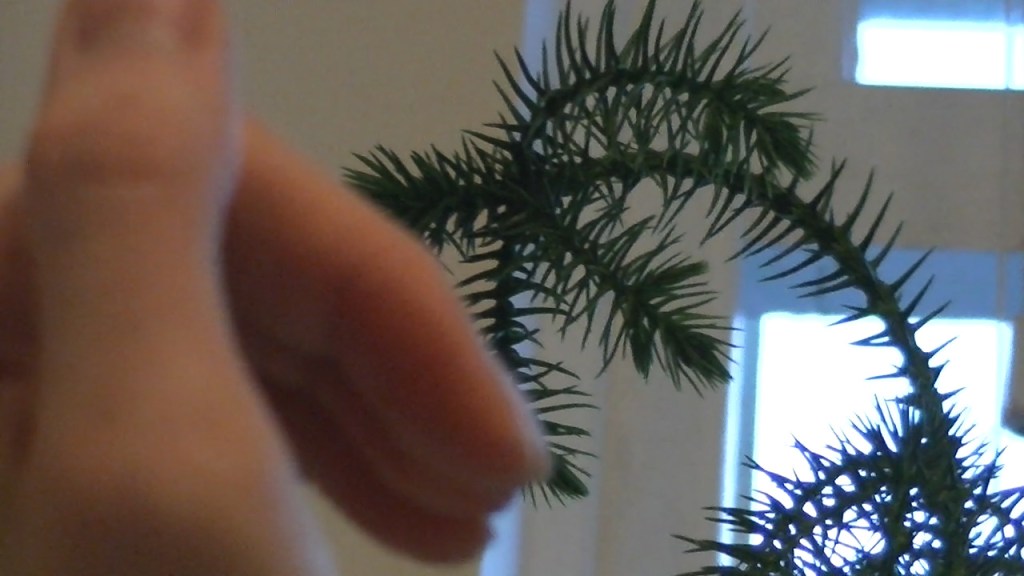
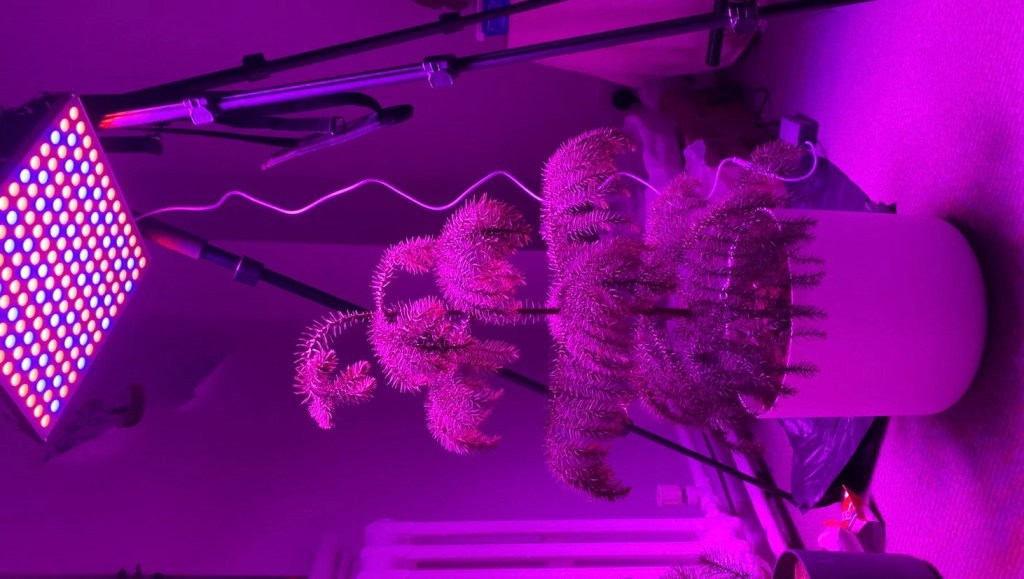
I bought a grow light recently for my drooping Norfolk Island Pine and I wondered how do LED grow lights work and does it really work?
A grow light is an artificial light which provides a light spectrum similar to the sun.
There are various types of grow lights which are High pressure sodium (HPS), Fluorescent grow lights, Metal halide (MH), High intensity discharge (HID), etc.
High pressure sodium (HPS) lights have been traditionally used to grow flowers and fruit because they produce an extremely bright light which draws most of the red and orange spectra in the colour spectrum.
Fluorescent grow lights are for seedlings and plants that require low levels of light.
Metal halide (MH) grow lights provide a white light which simulates the natural sunlight. MH is good at supporting the earlier developmental stages to promote stronger roots, better resistance against disease in all types of plants.
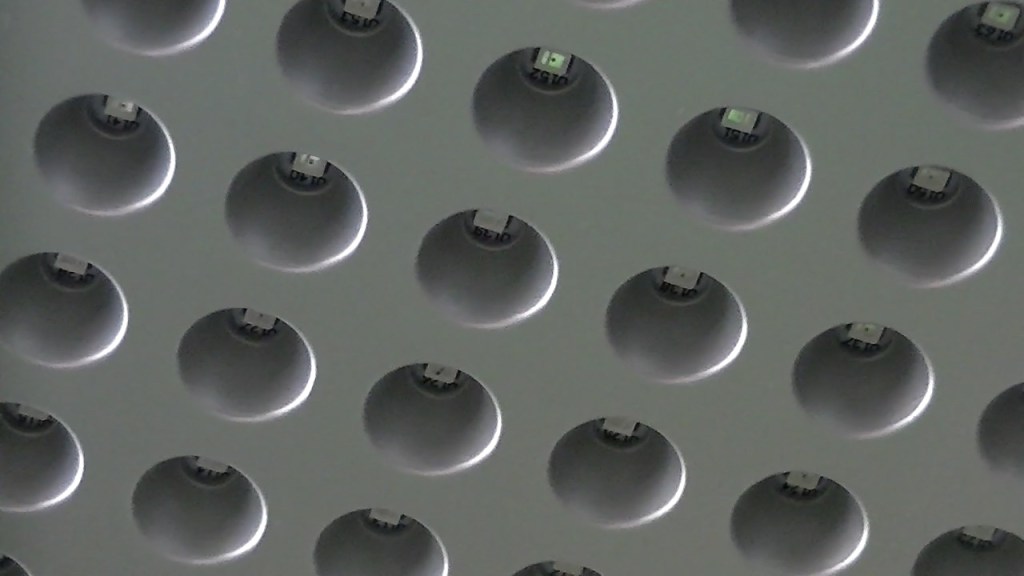
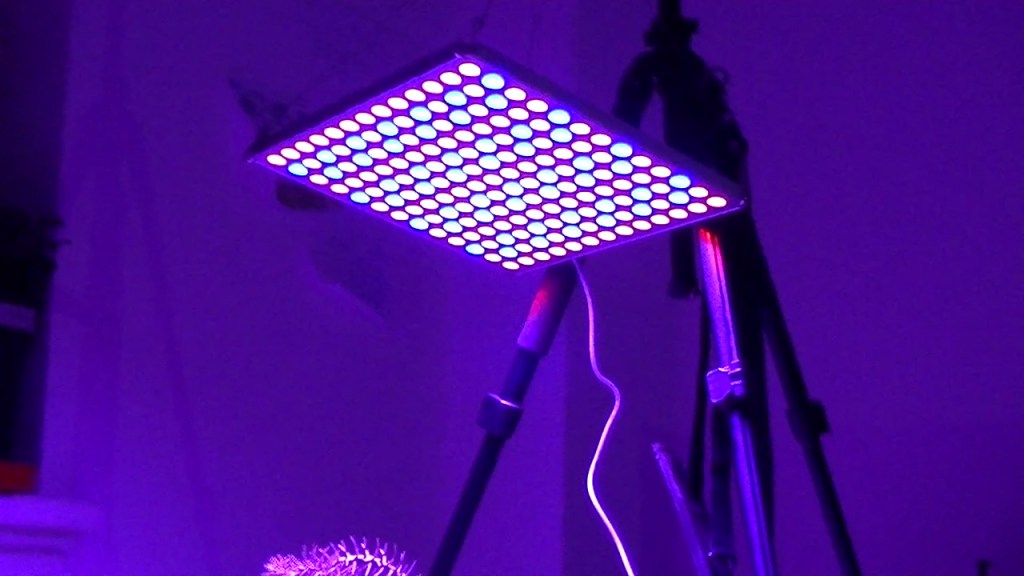
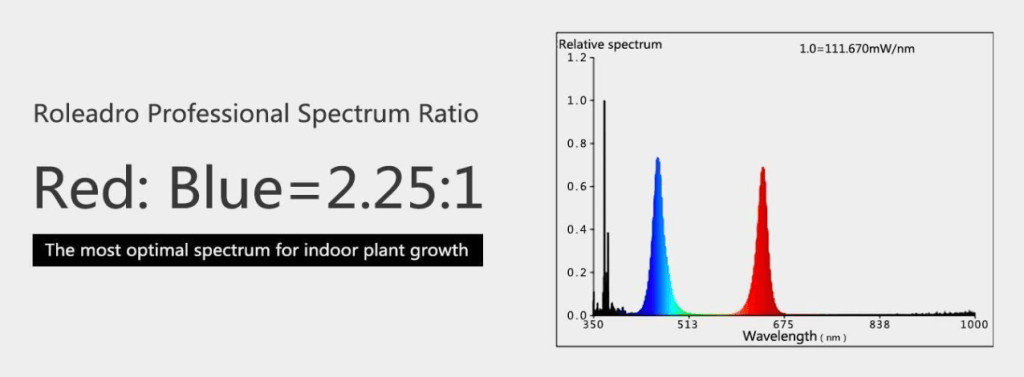
LEDs (Light Emitting Diode) comes in variety of colors in visible, infrared and ultraviolet spectral ranges. So different colour LEDs are mixed in proportions depending on the intended use.
It is known that green, red, far-red and blue light spectra have an effect on root and flower formation and plant growth. It has been proved that many plants can grow normally if they are given red and blue light.
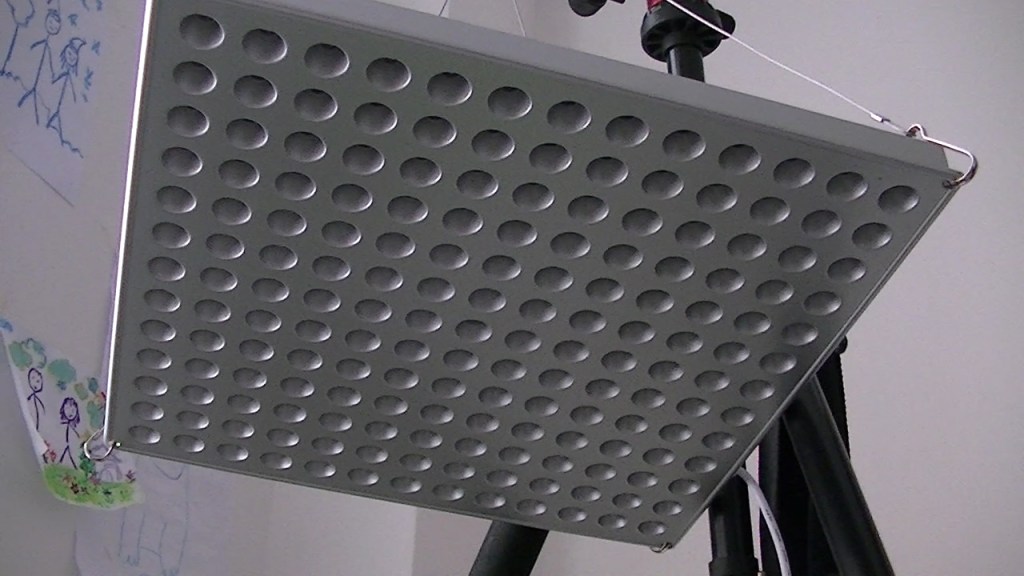
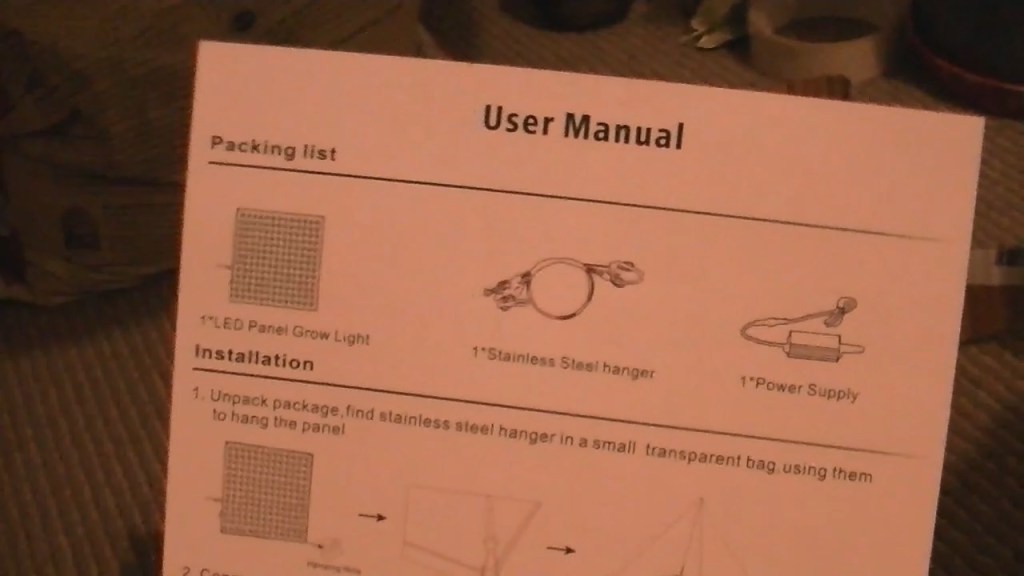
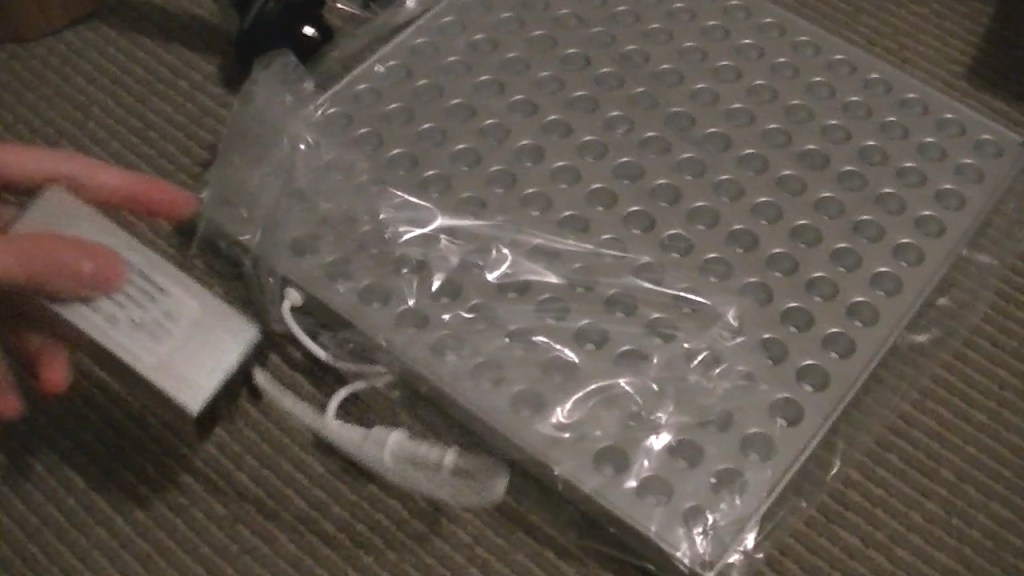
I bought Roleadro Plant Grow Light from Amazon because it provides the essential red and blue spectra and the quality is good for the price as well.
I’ve been using this light for two days and there hasn’t been any changes yet but I will see what happens.
It’s experiencing severe drooping. I’m not sure if it is because of insufficient light or extreme temperatures. So I’m trying everything to save the plant.
(Roleadro Plant Grow Light, 75W Led Growing Light with Red Blue Grow Lights for Indoor Plants)
 HaeunGarden